

California’s bright sun can be tough on outdoor materials, and your vinyl fence is no exception. Daily UV exposure, dust, and coastal moisture slowly change how it looks and performs. Regular cleaning and smart maintenance protect your fence from fading, warping, and surface buildup, keeping it strong and attractive year after year.
You can manage most upkeep with simple tools and a little attention to the right timing. Mild soap, gentle water pressure, and awareness of environmental residue go a long way toward preserving vinyl integrity. Each region of California introduces its own challenges—coastal salt, inland dust, or valley pollen—that shape how you care for your fence.
By learning how sunlight, moisture, and local conditions affect vinyl surfaces, you can make informed maintenance choices that balance effort, appearance, and long-term performance. Fence Specialties LLC has supplied high-quality vinyl fencing across California since 1988, giving you access to materials designed to handle the same sun that defines the state’s landscape.
UV Exposure Effects On Vinyl Fence Surfaces
Constant sunlight weakens vinyl’s chemical bonds and dries its surface layers. Over time, exposure to ultraviolet (UV) radiation and heat reduces flexibility, dulls color, and shortens material lifespan even when the fence is well maintained.
Polymer Degradation And Color Fading Mechanisms
Vinyl fences use polyvinyl chloride (PVC), which contains stabilizers and pigments to resist UV light. Prolonged sun exposure breaks down these stabilizers, allowing UV rays to reach the base polymer. The result is surface oxidation, which causes minor chalking, fading, or discoloration.
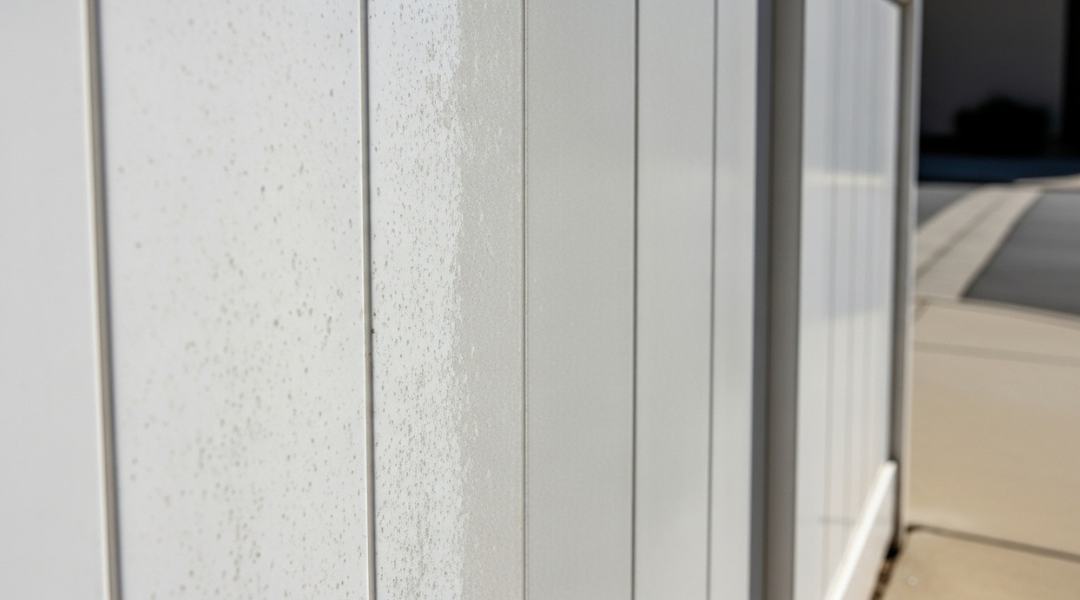
Color fading happens slowly but accelerates when the surface loses its protective layer. Light-colored fences reflect heat better, while dark finishes absorb more sunlight and deteriorate faster. A fence placed near reflective surfaces such as windows or pavement may experience localized fading.
You can slow degradation by applying a UV protectant spray made for vinyl. These products create a thin, clear coating that blocks UV energy from reaching the polymer base. When cleaning, use mild detergent and avoid harsh solvents; aggressive chemicals can strip the factory coating and make fading worse. Well-formulated PVC fence glue also contains stabilizers that minimize discoloration where panels meet.
Heat Cycling And Surface Brittleness Over Time
California’s hot days and cooler nights create daily heat cycles that cause vinyl panels to expand and contract. This movement stresses joints and connectors. Over years, the repeated flexing can harden the material and produce small surface cracks.
When vinyl loses flexibility, impacts or wind pressure can cause brittleness or breakage. Areas with direct sunlight for most of the day age faster than shaded sections. Inspect posts and panels for early signs of stiffness or cracking.
To reduce damage, ensure your fence is installed with proper expansion gaps and flexible adhesives such as PVC fence glue rated for outdoor use. These allow limited movement between panels, preventing stress buildup that can cause long-term surface failure.
Cleaning Methods That Preserve Vinyl Integrity
To clean a vinyl fence effectively, you need to balance cleaning strength with material safety. Using the wrong products or tools can weaken the vinyl surface, dull its finish, or cause microcracks that invite dirt and discoloration.
Chemical Interactions With Vinyl Compounds
Vinyl fencing resists many chemicals, but not all cleaners are safe. Strong solvents, chlorine bleach, and petroleum-based products can react with the plasticizers in vinyl, causing brittleness and fading. When choosing a vinyl fence cleaner, look for biodegradable or non-chlorine formulations labeled safe for PVC materials.
A simple mixture of mild dish soap and warm water removes surface dirt without damaging the finish. For mold or algae, white vinegar offers a gentle but effective cleaning option. If you need stronger treatment, oxygen bleach (sodium percarbonate) provides deep cleaning power without harming plants or breaking down the vinyl.
Avoid cleaners containing ammonia or abrasives. They can dull the surface sheen and reduce UV protection. Always rinse thoroughly with clean water after applying any product to prevent residue that may attract more dirt or create streaking in the California sun.
Abrasion Risks From Tools And Pressure Washing
Mechanical force during cleaning can damage vinyl panels. Harsh scrubbing tools—like wire brushes or scouring pads—scratch the surface, leading to dull spots and long-term wear. Instead, use soft microfiber cloths, sponges, or soft-bristle brushes.
When using a pressure washer to clean vinyl fencing, keep water pressure between 1,500 and 2,000 PSI and use a 25–40° nozzle to spread the spray. Hold the nozzle 12–18 inches from the fence to avoid gouging or warping.
Short, steady passes work better than long, concentrated bursts. Too much pressure can crack joints or force water behind panels. In warm, dry climates like California, these cracks expand over time, speeding up material fatigue. By using controlled pressure and gentle tools, you preserve your fence’s strength and smooth finish.
Environmental Residue Patterns In California Conditions
California’s climate and geography create different residue patterns on vinyl fences. Sun exposure, seasonal dryness, and proximity to coastlines or farmland determine what builds up on the surface and how often you need to clean it.
Dust, Pollen, And Irrigation Mineral Buildup
Dry summers and frequent winds carry dust and pollen that cling to vinyl surfaces. In areas near open fields or construction zones, fine soil particles mix with plant pollen, leaving a thin film that dulls the fence’s shine. You can often see this residue gather more quickly on south-facing panels because sunlight dries airborne particles before rain can rinse them away.
Mineral buildup forms when irrigation water evaporates, leaving behind a white crust of calcium or magnesium. This issue is common where you use hard water for landscaping. A mild mixture of water and white vinegar can break down mineral spots without damaging the vinyl.
Keep an eye on fence rails and joints, where water tends to settle. These areas can trap dust and minerals, leading to uneven discoloration. Regular rinsing, especially after windy days or sprinkler use, prevents a thick layer from forming and keeps the surface smooth.
Coastal Salt Vs Inland Air Contaminants
Coastal regions face salt deposits that develop from ocean spray and humid air. The salt crystals stick to vinyl and, over time, can cause a slightly rough texture. You should wash coastal fences monthly with fresh water to remove salt before it embeds in microscopic pores. A soft brush helps dislodge salt without scratching.
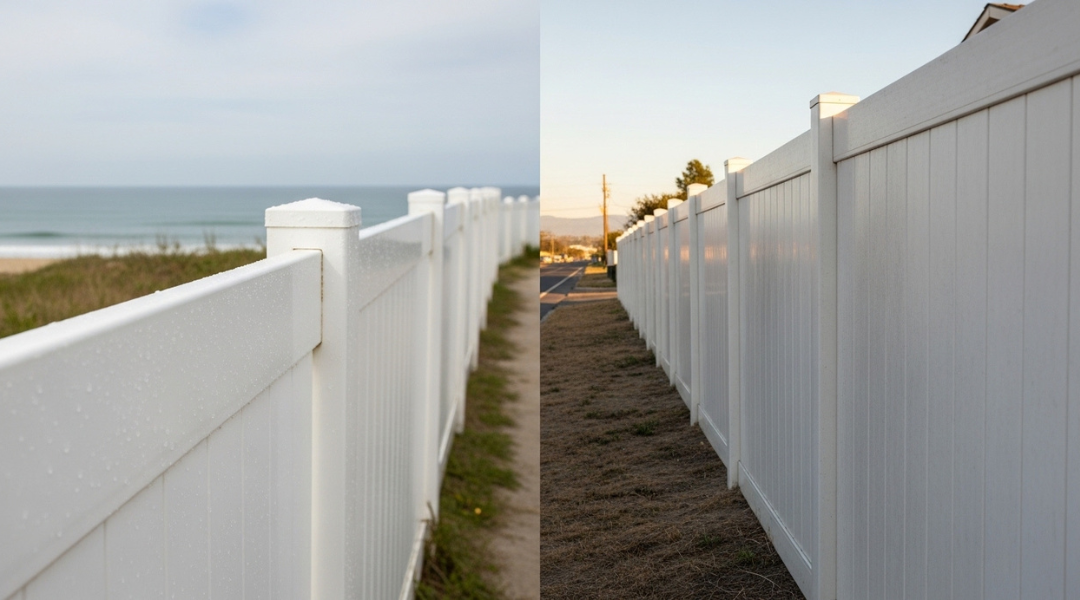
In inland communities, airborne contaminants differ. Areas closer to highways or urban centers often see residue from vehicle emissions and industrial dust. These particles can make the vinyl surface feel oily and attract more dirt. Using a gentle detergent once every few weeks reduces buildup and prevents a grayish film.
This contrast means your cleaning schedule should match your local environment. Coastal settings need more frequent rinsing, while inland settings benefit from periodic detergent cleaning focused on soot and particulate matter.
Maintenance Tradeoffs: Appearance, Effort, And Longevity
You balance looks, upkeep time, and long-term durability when caring for a vinyl fence in California’s climate. Regular cleaning keeps the fence bright, but the right amount of care ensures it stays structurally sound without wasting effort.
Frequency Vs Long-Term Surface Preservation
Cleaning your vinyl fence too often with harsh tools or chemicals can shorten its surface life. Scrubbing weekly or using abrasive brushes may cause micro-scratches that collect dirt and dull the finish. On the other hand, neglecting regular cleaning allows grime and airborne pollutants to build up, especially with dust and sun exposure common in California.
Recommended schedule:
| Task | Frequency | Notes |
|---|---|---|
| Light rinsing with hose | Every 2–4 weeks | Removes dust and pollen |
| Mild soap wash | Every 2–3 months | Prevents discoloration |
| Deep clean or mold check | Twice per year | Avoids residue buildup |
This balance keeps your fence clean enough to maintain color integrity while reducing wear from over-cleaning. Protecting the vinyl’s outer coating helps prevent fading from UV rays and minimizes cracking over years of exposure.
Cosmetic Cleaning Vs Structural Lifespan Impact
Some care tasks mainly affect how your fence looks, while others support its core strength. For example, wiping fingerprints or grass stains improves appearance but does little for long-term durability. Checking post alignments, inspecting fasteners, and clearing debris at the base prevent warping and impact damage that could reduce the fence’s lifespan.
You should treat cosmetic care as routine and structural maintenance as preventive. Using soft-bristled brushes and vinyl-safe cleaners avoids surface harm. More importantly, tightening brackets and ensuring posts stay upright protect against stress cracks caused by soil movement or wind. That combination keeps both the surface and foundation in steady shape for years.
Material Performance Insights From California Fence Supply Yards
Vinyl fence materials sold across California differ in grade, UV stabilization, and surface coating. These differences influence how well the panels resist fading, cracking, or brittleness under long-term sun exposure and coastal moisture.
Stock Variations Across Vinyl Grades And Finishes
Supply yards in cities such as Riverside, San Jose, and Oceanside typically sort vinyl fencing into residential, commercial, and premium grades. You’ll notice price differences tied to wall thickness, reinforcement, and surface sheen.
Residential stock often has thinner walls and a standard matte finish. It’s suited for lower-impact settings like side yards. Commercial and premium lines use thicker PVC profiles and UV inhibitors to reduce chalking and discoloration caused by consistent sun exposure.
Finish types include smooth, embossed wood-grain, and semi-gloss coatings. Smooth finishes clean faster but may show water spots more easily. Embossed textures hide dirt but accumulate dust in grooves and require periodic rinsing. Suppliers report that matte and embossed finishes remain more color-stable in high-UV areas than glossy panels.
Replacement Patterns Observed In Multi-Branch Distribution Networks
Multi-location suppliers, such as those with yards across Northern and Southern California, track replacement orders by region. Data from these operations show that sun-facing fences in inland counties tend to need top-rail or cap replacements about 2–3 years sooner than coastal installations. Heat cycling often causes minor expansion fatigue in lighter-gauge panels.
In contrast, coastal branches handle more requests for gate hinge and fastener replacements due to salt exposure, even when panels remain intact. Supply managers often stock reinforced corner posts and co-extruded panels as standard replacements. These adjustments reflect how real-world conditions—UV levels, air salinity, and temperature swings—drive vinyl fence performance over time in California’s varied environments.