


Every season puts new stress on fences, patios, and supply materials. Sun, moisture, and temperature changes slowly wear down protective coatings and fasteners, often long before structural damage appears. Seasonal inspections help you catch small changes before they turn into costly repairs or full replacements. By setting a simple inspection schedule tied to the weather cycles in your area, you can spot early warning signs that protect both material integrity and long-term value.
You’ll see how materials respond differently across California’s diverse climates—from the dry heat of Riverside to the coastal air in Oceanside or the cooler conditions around Sacramento. Understanding when inspection becomes materially relevant helps you act early instead of reacting to damage later. Routine checks reveal the first signs of structural or surface degradation, guiding your decision to repair, reinforce, or replace components at the right time.
With over 35 years of experience supplying contractor-grade materials, Fence Specialties LLC has seen how disciplined maintenance prevents unnecessary loss. In this guide, you’ll learn practical ways to interpret minor defects, apply consistent inspection logic across supply environments, and balance the tradeoffs between early action and deferred maintenance.
When Seasonal Inspection Becomes Materially Relevant
Seasonal inspections matter most when building materials begin to respond differently under weather stress. Fence components, for instance, expand, contract, or weaken depending on age, exposure, and design. Recognizing these changes early helps you plan repairs before they lead to structural or safety issues.
Post-Installation vs Aging Fence Timelines
After a fence is installed, settling and initial weather exposure often reveal workmanship or material flaws. During a spring inspection, look for early warning signs such as loose fasteners, minor warping, or soil separation at post bases. These issues reflect how the fence adjusts to seasonal moisture and temperature swings.
An aging fence, typically three to five years old, shows different patterns of deterioration. Boards may split, fasteners corrode, and support posts shift under repeating freeze-thaw cycles. At this stage, wood preservation, sealing, or repainting becomes critical to prevent water damage that weakens structural joints.
You can use a simple table to track visual changes:
| Age Stage | Key Risks | Recommended Action |
|---|---|---|
| 0–1 year | Post settling, uneven alignment | Tighten hardware, inspect anchors |
| 2–4 years | Surface wear, discoloration | Clean and reseal or repaint |
| 5+ years | Rot, instability, missing hardware | Evaluate for section replacement |
Keeping consistent photos and inspection notes helps you compare changes across seasons and detect slow-developing defects.
Environmental Triggers That Accelerate Deterioration
Moisture, heat, and wind all hasten fence wear. Repeated storm damage or runoff from heavy rain can erode soil around posts and lead to lean or collapse. Strong sunlight in summer dries boards, while winter temperature swings pull apart joints.
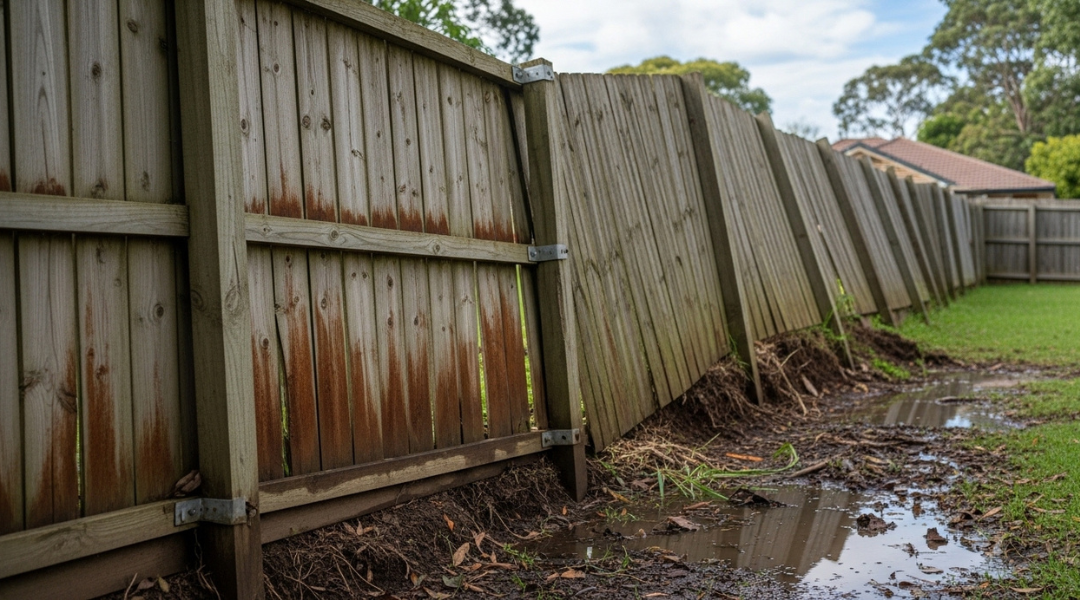
During fall inspection, check for trapped moisture near fasteners and along the base where decay often starts. Buried debris or standing water promotes fungal growth that spreads unnoticed until wood fiber breaks down.
Metal fences face similar challenges. Frequent humidity changes cause oxidation and weakened welds, especially where coatings have worn away. Applying anti-corrosion treatment before freezing conditions helps delay rust expansion.
A documented maintenance cycle—spring cleaning, mid-summer coating checks, and pre-winter reinforcement—keeps exposure under control and extends service life.
Early Indicators of Structural and Surface Degradation
Early detection of wear, movement, or environmental impact helps you maintain structural integrity and prevent costly repairs. Visual inspections, soil testing, and moisture checks reveal early changes that often appear long before major failures occur.
Movement, Misalignment, and Load Imbalance Signals
Subtle shifts in a building’s structure often point to early-stage foundation or framing problems. You should check for cracks in walls or ceilings, doors that stick, or floors that slope unevenly. These may indicate that pressure from the foundation has changed or that moisture has weakened supporting materials.
Use a simple level tool to confirm alignment. Even small deviations—less than a quarter inch across a room—can reveal movement. Inspect around windows and baseboards where gaps appear first.
If you notice foundation cracks wider than 1/8 inch or horizontal splits, they could reflect soil movement or poor drainage. Checking soil moisture levels around the perimeter is useful; overly saturated areas can create load imbalance by softening the ground under one section of the foundation.
Persistent mildew or mold growth near the base of walls also suggests trapped water, which can degrade materials and compromise stability. Early detection and drainage correction help restore balance and prevent progressive shifting.
Surface Wear, Corrosion, and Material Fatigue Patterns
Surface degradation develops from sunlight, moisture, and daily stress on building materials. During visual inspections, look for discoloration, blistering paint, or peeling coatings—they signal trapped moisture or UV breakdown.
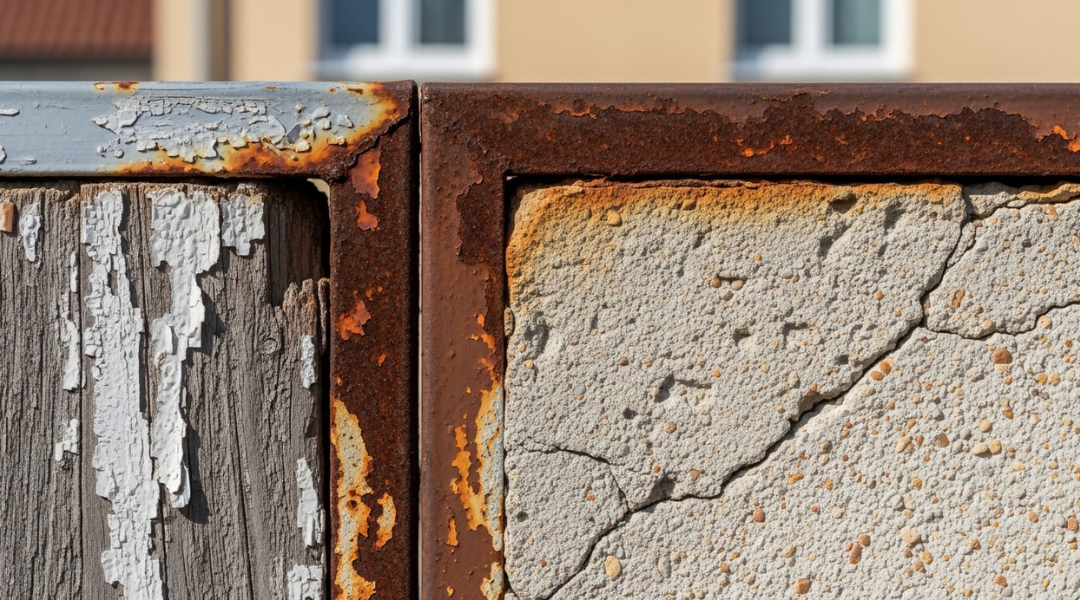
Metal components such as railings, tanks, or roofing panels show warning signs through surface rust, pitting, or corrosion at joints. Once corrosion begins, it advances quickly under humid or polluted conditions. Clean, dry surfaces reduce the rate of material fatigue.
Wood and concrete surfaces display other clues. Wood softening or warping often ties to excess humidity or fungal infections like root rot analogs in timber. Concrete may chip, flake, or form spider-web cracks if exposed to freeze-thaw cycles or chemical salts.
Monitoring these patterns regularly through scheduled seasonal inspections protects your property’s surface layers and prevents deeper structural damage. Even minor wear, if left untreated, can accelerate long-term decline in both appearance and function.
Inspection Logic Used Across California Supply Environments
Your inspection logic should link material flow, seasonal demand shifts, and field-level risks that affect both compliance and efficiency. Tracking usage patterns helps predict when materials or equipment will need testing, replacement, or tighter inspection schedules, especially when weather and regional supply conditions change.
Patterns Observed Through Contractor Material Demand
Contractors across California often adjust material orders in response to seasonal cycles. In winter, heating provisions, thermal barriers, and protective coverings tend to see higher demand as part of winterization efforts. During spring and summer, requests usually increase for irrigation components, pest control chemicals, and packaging materials needed for agricultural operations.
Monitoring supplier data helps you identify shifts that may signal new inspection needs. For example, a sudden increase in pest management products may indicate rising infestation risks, prompting you to review and adjust your pest monitoring techniques. Some facilities track these changes through a pest monitoring schedule, logging inspection frequency by season.
| Season | Common Material Demand | Typical Inspection Focus |
|---|---|---|
| Winter | Heating units, insulation | Energy system checks |
| Spring | Seeds, pest control materials | Hygiene and pest control |
| Summer | Cooling equipment, packaging | Storage and ventilation |
| Fall | Harvest supplies | Waste and safety controls |
Reviewing these patterns ensures you stay ahead of resource bottlenecks and compliance issues tied to changing supply environments.
Failure Trends Linked to Material Selection and Usage
Material failures often trace back to inconsistent quality control or unsuitable material selection for California’s coastal, desert, and mountain climates. For example, electrical cords that meet federal standards may still degrade faster in high-humidity coastal areas, requiring shorter inspection intervals. You should adapt inspection frequency to reflect these local conditions.
Improper material substitution can also lead to higher failure rates. Using incompatible sealants near food or chemical processing areas can cause contamination or weaken protective barriers. A practical approach includes creating a review checklist for material compatibility, thermal tolerance, and corrosion resistance.
Regular inspection of storage conditions prevents issues such as condensation, rust, and microbial growth. Capturing these data points helps you establish clear trends that connect usage decisions with observed reliability outcomes.
Interpreting Minor Defects Before Escalation
Early signs of wear or change can reveal developing issues long before they cause damage. Understanding how to judge the difference between harmless flaws and early warnings of failure helps you decide when to act and when to keep watch.
Cosmetic Irregularities vs Structural Precursors
Not every surface imperfection signals a deeper problem. Hairline cracks, chipped paint, or minor warping often result from seasonal expansion and contraction. You can document these conditions, note measurements, and monitor them during future inspections.
A simple record like the table below helps track subtle shifts:
| Observation | First Recorded | Most Recent | Change |
|---|---|---|---|
| Foundation crack width | April 2025 – 1/16 in. | March 2026 – 1/8 in. | Increase – possible movement |
Some defects that appear cosmetic—like door frames shifting or drywall seams separating—may indicate structural stress, moisture migration, or settling. If such signs also align with water stains, uneven floors, or musty odor, treat them as potential precursors. Being methodical and consistent helps you catch problems early before they escalate.
Thresholds Where Monitoring Shifts to Intervention
Knowing when routine observation becomes necessary repair is critical. You should move from monitoring to action once the defect shows progression, impacts system performance, or invites secondary damage such as leaks or pest intrusion.
For example, moisture near sill plates can attract flea beetles or cucumber beetles, signaling the need for both repair and pest control. Similarly, garden structures showing leaf damage from cabbage worms reveal that seasonal pest monitoring should shift from observation to intervention.
Document clear thresholds—size change, repeated staining, recurring pests—to decide whether professional evaluation or treatment is required. This approach keeps small issues contained, reduces repair costs, and maintains long-term property stability.
Tradeoffs Between Early Action and Deferred Maintenance
Taking care of small issues early often prevents costly breakdowns later, but immediate repairs can also require more time and money upfront. The challenge lies in choosing actions that maximize long-term value while reducing repair frequency, energy waste, and safety risks.
Cost, Effort, and Lifespan Implications Over Time
Early maintenance usually costs less over the life of a system because it prevents larger failures. Fixing a small water leak or replacing worn belts before they break limits emergency repairs, which can cost three to five times more than planned service. Regular upkeep also helps preserve energy efficiency, keeping heating, cooling, and lighting systems from working harder than necessary.
Deferred maintenance may seem like a budget relief at first, but each delay shortens the lifespan of building systems. Equipment operating under strain consumes more energy, runs less reliably, and can fail prematurely. You may also face downtime costs, lower property value, and code violations if neglected systems affect safety or compliance.
| Maintenance Approach | Typical Cost Pattern | Asset Life Impact | Energy Use Trend |
|---|---|---|---|
| Early Action (Preventive) | Lower over time | Extended | More efficient |
| Deferred Maintenance | Higher long-term | Shortened | Less efficient |
When Intervention Introduces Additional Material Stress
Sometimes, acting too soon or too often can create its own risks. For example, replacing mechanical parts before they reach normal wear cycles may disturb secure fittings, causing new alignment or sealing problems. Over-tightened connections and repeated disassembly can add material stress that wouldn’t occur with a balanced schedule.
You should time interventions based on equipment data, not just habit. Monitor vibration, temperature, and performance trends using sensors or predictive tools to guide maintenance at the best moment. This approach avoids stress-related damage while still reducing failure risk. It also keeps systems efficient without unnecessary labor or parts replacement, allowing you to protect both performance and budget stability.