

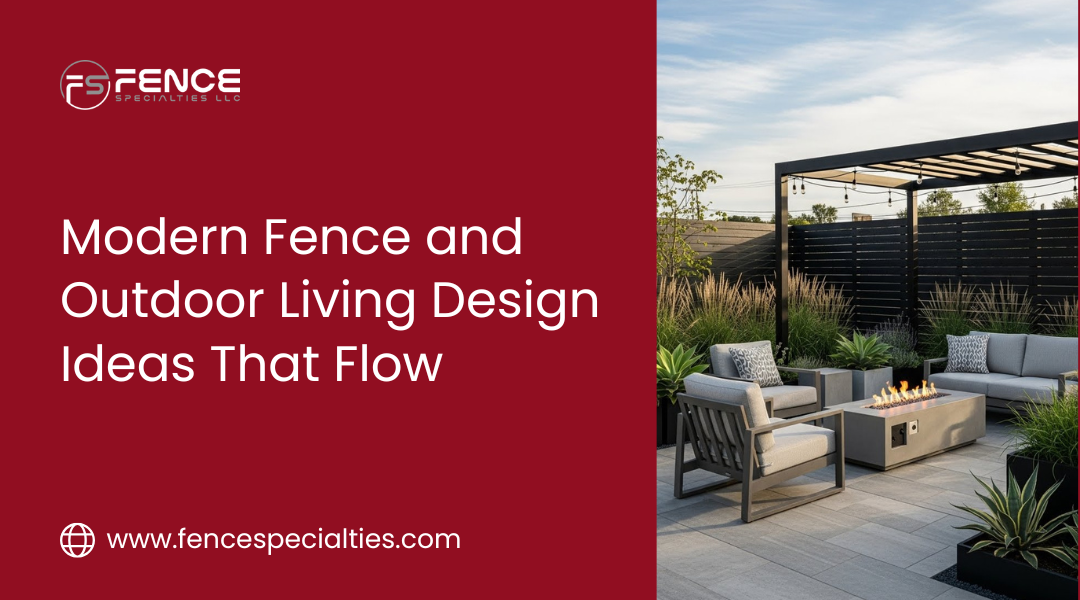
Your outdoor space can do more than fill the gap between your house and the fence line—it can extend your lifestyle. A modern fence paired with a well‑planned patio cover creates structure, privacy, and comfort while keeping the area visually clean and functional. When you plan these two features together, you create a cohesive outdoor setting that feels intentional and ready for everyday use.
Many outdoor areas feel disconnected because the fence, patio materials, and cover designs come from different styles or time periods. Modern design helps fix this by focusing on consistent lines, minimal color palettes, and purposeful use of materials like steel, composite, and natural wood. You gain a space that looks current and works year‑round, whether you relax outside or host friends.
With more homeowners treating backyards as true living zones, you need a plan that links structure with simplicity. This article explains how to merge modern fence styles and patio cover ideas into one balanced design—one that reflects your taste and the way you actually use the space.
When Outdoor Spaces Feel Disconnected Or Visually Outdated
An outdoor area can look unbalanced when fences, patio covers, and landscaping lack visual flow or functional unity. Materials, color choices, and layout strongly influence whether your yard feels purposeful or pieced together. Paying attention to proportion and coherence helps your space feel inviting and current.
Signs Fencing And Patio Elements Are Not Working Together
When your fence and patio materials compete instead of coordinate, the space can feel cluttered. For example, a bright white vinyl fence beside a dark, rustic wood pergola often creates a harsh contrast. Look for consistency in color tones, finishes, and scale. If your patio cover feels too large for the fence height, the visual weight becomes uneven.
A quick check is to compare three core elements—texture, height, and color tone:
| Element | Common Issue | Simple Fix |
|---|---|---|
| Texture | Rough wood mixed with glossy metal looks mismatched | Use similar matte or natural finishes |
| Height | Fence shorter than patio roof | Add taller plants or trellis panels for balance |
| Color | Clashing stains or paint | Refinish one surface in a neutral shade |
You may also notice disconnection when pathways don’t align with entry gates or when lighting levels differ between structures. Restoring flow often starts with repeated materials or subtle pattern echoes that visually link the fence to the patio cover.
Situations Where Modern Layouts Make The Biggest Impact
Modern layouts often solve problems of awkward spacing and outdated symmetry. If your yard has several small, disconnected areas, merging them with a continuous deck line or open pergola frame can make the whole space feel larger and more cohesive. Linear designs, consistent paving, and structured plant beds support a unified rhythm.
Consider these updates where they matter most:
- Irregular lot shapes: Clean geometric lines simplify complex boundaries.
- Older homes: A minimalist fence design balances traditional architecture without overpowering it.
- Overly ornamental spaces: Replacing heavy trim or ornate ironwork with simple composite or horizontal slat fencing creates a lighter look.
Modern layouts also highlight functionality. Integrated seating along fences, adjustable shade systems, and smart lighting combine comfort with visual order. You can reimagine the yard as one connected environment rather than scattered sections that compete for attention.
What This Article Is Designed To Help You Understand
This guide helps you see how modern fence design and covered patio spaces work together to shape your outdoor environment. It focuses on layout, material use, and visual flow so you can make choices that fit your property’s specific needs without pushing any particular product.
Design Principles Rather Than Product Recommendations
You’ll learn how design principles guide a cohesive look across fencing, patio covers, and exterior features. Instead of focusing on brand names or trends, attention stays on structure, proportion, and function.
Simple design elements such as horizontal lines, neutral tones, and consistent material textures can make an outdoor area look modern while keeping maintenance low. For example, pairing composite fencing with an aluminum patio cover can balance privacy, durability, and weather resistance.
A few general design questions may help your planning process:
| Key Design Factor | Purpose | Example |
|---|---|---|
| Visual balance | Makes spaces feel proportional | Matching fence height to nearby walls |
| Continuity | Links materials and colors | Using similar stains or finishes |
| Function | Ensures comfort and use | Shade placement for high-sun areas |
Using these principles gives you flexibility while maintaining control over both appearance and practicality.
Residential Outdoor Living Contexts Only
The ideas here apply to residential spaces such as backyards, courtyards, and side patios—not large commercial sites. You’ll explore how fences and patio covers improve privacy, comfort, and usability in typical home settings.
Practical examples include adding a modern fence to define zones like dining, lounge, or garden areas. Covered patios extend these functions, allowing you to enjoy outdoor space during more seasons.
Designs that work well in residential contexts often combine scale and simplicity—fences that match nearby architecture, patio beams aligned with roof lines, and materials that complement vegetation. Keeping proportions human‑scaled ensures that the outdoor space feels integrated rather than separated from your home.
How Modern Outdoor Living Is Defined Today
Modern outdoor living brings daily comfort and style outside the home through cohesive design, durable materials, and functional zones for cooking, relaxing, and entertaining. Clean lines, blended materials, and a strong connection between interior and exterior spaces define this contemporary approach.
The Shift From Perimeter Fencing To Integrated Spaces
You no longer treat fences as isolated boundaries; instead, they connect and frame your outdoor living areas. Modern fences now work with patios, gardens, and seating zones to define spaces rather than divide them. This shift helps create smooth transitions between your outdoor kitchen, dining area, and living room spaces.
Design trends favor horizontal slats, mixed materials, and neutral finishes that align with minimalist architecture. For instance, pairing a concrete patio with a composite fence and wicker furniture offers both sophistication and durability. You can also introduce potted plants or vertical gardens along fences to soften lines and improve privacy.
An integrated layout encourages function and flow. A well-placed fence may provide a backdrop for grilling, screen a utility area, or support climbing plants. The result is a cohesive environment that feels intentional and organized, turning your yard into a modern outdoor retreat.
The Role Of Patio Covers In Contemporary Outdoor Layouts
A patio cover extends your living area outdoors, offering shade and year-round use. Its structure helps balance light and temperature, letting you enjoy a stone, brick, or concrete patio more comfortably throughout the day.
Modern patio covers use metal, wood, or composite materials with clean, geometric lines that match current architecture. Many homeowners choose covers with integrated lighting, ceiling fans, or even retractable panels to control airflow and weather exposure.
You can create different functions under one roof—such as an outdoor dining area beside a seating zone or outdoor rug accented with minimalist furniture. In compact spaces, like an urban patio, a simple pergola or tensioned fabric cover can transform a small footprint into a usable backyard retreat.
These covered spaces connect visually and functionally with the rest of your home, creating a seamless transition between indoors and outdoors that defines modern outdoor living.
A Framework For Planning Fence And Patio Cover Design Together
Coordinating a fence and patio cover requires blending structure, use, and style so your outdoor space feels balanced and efficient. Good planning ensures both elements serve their purpose—defining space, providing shade, and enhancing your home’s look—without competing for attention.
Starting With Function Before Aesthetics
Start by identifying what you need your outdoor area to do. You may want privacy, pet boundaries, wind protection, or simply a shaded area for gatherings. List your priorities before choosing materials or colors.
| Common Goals | Practical Design Choices |
|---|---|
| Privacy | Tall wood or composite fences with closed panels |
| Airflow | Slatted metal or lattice fencing |
| Shade | Solid-roof or insulated patio covers |
| Low upkeep | Vinyl or powder-coated aluminum materials |
Consider how each structure affects movement and maintenance. For instance, a solid fence may reduce airflow, while certain patio covers might block natural light from entering adjacent windows.
Once the purpose is clear, you can choose consistent design elements—such as frame colors, hardware finishes, or fence height—to unify the space. Function should shape design decisions so the final layout works comfortably for daily routines.
How Sightlines, Boundaries, And Shade Interact
The way you position your fence and patio cover affects privacy, openness, and how sunlight reaches your yard. Where possible, align fence height and patio cover size with the natural sightlines around your property.
A fence that’s too tall may cast unwanted shadows or make the area feel closed in. A patio cover positioned too high might fail to block afternoon sun. Test angles using temporary pieces or string lines before permanent installation.
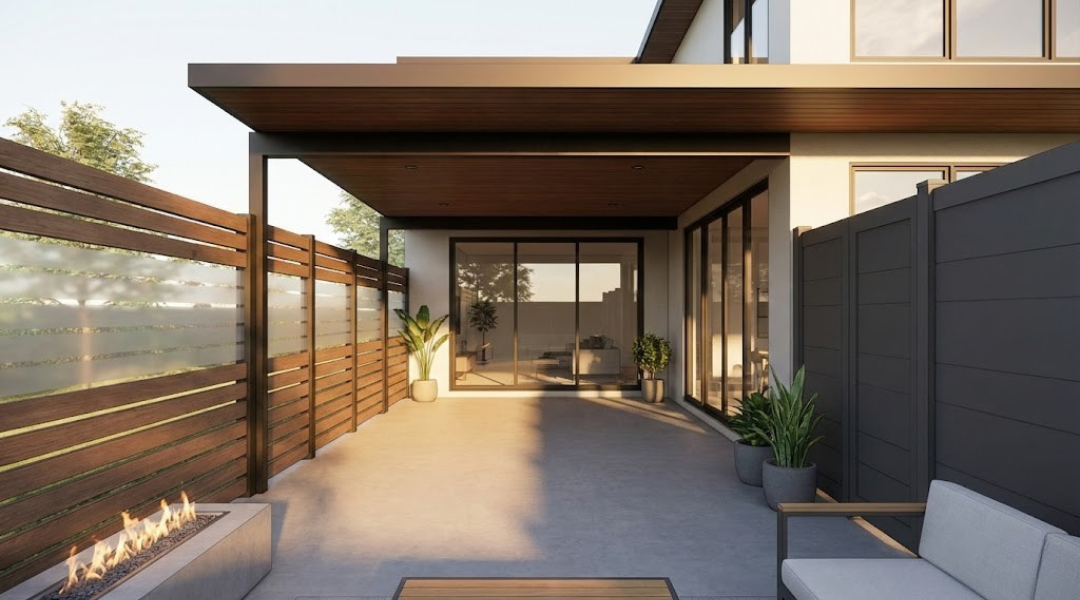
Use layered design to control openness. For example:
- A semi-transparent fence with a partial roof creates light while maintaining boundary definition.
- Pairing vertical fencing lines with horizontal roof panels produces visual balance.
By adjusting height, orientation, and material transparency, you can fine-tune privacy and shade without compromising comfort or aesthetic flow between your indoor and outdoor spaces.
Why Common Outdoor Design Approaches Often Fall Short
Many outdoor spaces miss their full potential because visual balance and function are treated separately. Simple oversights—like ignoring how fences define the space or mixing materials without considering scale—can make even well-planned yards feel disjointed.
Treating Fences As Afterthoughts
Fences often come last in outdoor projects, which limits how well they tie the space together. When you plan the fence after paving, planting, or building a patio cover, it becomes a backdrop instead of a framework that shapes views and pathways.
A well-designed fence adds structure, privacy, and style. Ignoring it early on can leave awkward boundaries or gaps that reduce both comfort and cohesion. For example, a patio with no defined edge can feel exposed, while the wrong fence height may block light or airflow.
Tip: Treat your fence like an architectural feature.
| Design Focus | Early Planning Benefit |
|---|---|
| Fence placement | Creates balance between open and private areas |
| Material choice | Aligns color and texture with patio or landscape |
| Height and style | Controls sightlines and lighting more effectively |
Considering your fence from the start helps every element—patio cover, furniture, and planting—fit within a single, unified layout.
Mismatched Materials And Proportions
Combining wood, metal, or vinyl without attention to proportion often leads to visual clutter. When colors or materials don’t align with the home’s architecture, the result feels random instead of refined. A heavy steel frame next to light garden furniture or narrow pavers beside wide fence panels can create imbalance.
You should match scale, tone, and spacing across materials. A simple color contrast—like a black frame and light wood infill—keeps things modern yet cohesive. On the other hand, mixing too many finishes distracts rather than complements.
Look for consistent patterns in:
- Board width vs. paver size
- Frame thickness vs. patio cover columns
- Texture repetition in materials
Choosing balanced proportions keeps your outdoor design consistent, comfortable, and visually clear.
Modern Fence Styles That Support Outdoor Living Areas
Well-chosen fence styles strengthen privacy, define your outdoor zones, and tie together features like patios and pergolas. The best options use durable materials and smart layouts that maintain airflow, light, and a clean visual flow between spaces.
Horizontal And Mixed-Material Fence Concepts
Horizontal fencing with wood slats, composite boards, or metal rails gives your yard a sleek look that complements modern patio covers and outdoor rooms. The horizontal orientation draws the eye outward, making smaller yards appear wider.
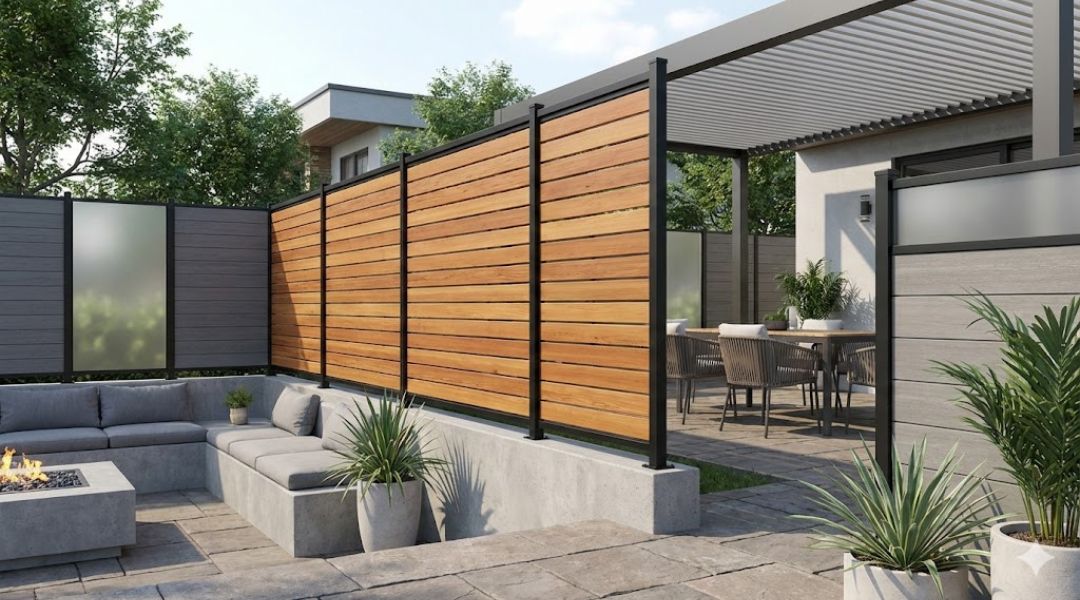
A mixed material fence—which can combine warm cedar or redwood with steel, aluminum, or concrete panels—adds strength and visual variety. Metal components with a powder-coated finish hold up well against climate changes and require less maintenance than painted surfaces.
For extra interest, use contrasting elements within sections:
- Wood + Metal Frames – Creates strong structure and natural texture.
- Composite + Frosted Glass Panels – Balances privacy with filtered light.
- Concrete Base + Wood Slats – Provides stability near entertaining areas.
These combinations work well with privacy wall designs that double as backdrop features for seating or outdoor kitchens. Integrated lighting or mounted planters make them useful and stylish at the same time.
Semi-Private And Screen-Style Fencing
Semi-private fencing helps you separate spaces without blocking breezes or sunlight. A lattice fence, trellis, or slatted privacy fence panels create filtered views suitable for patios with relaxed, open-air seating.
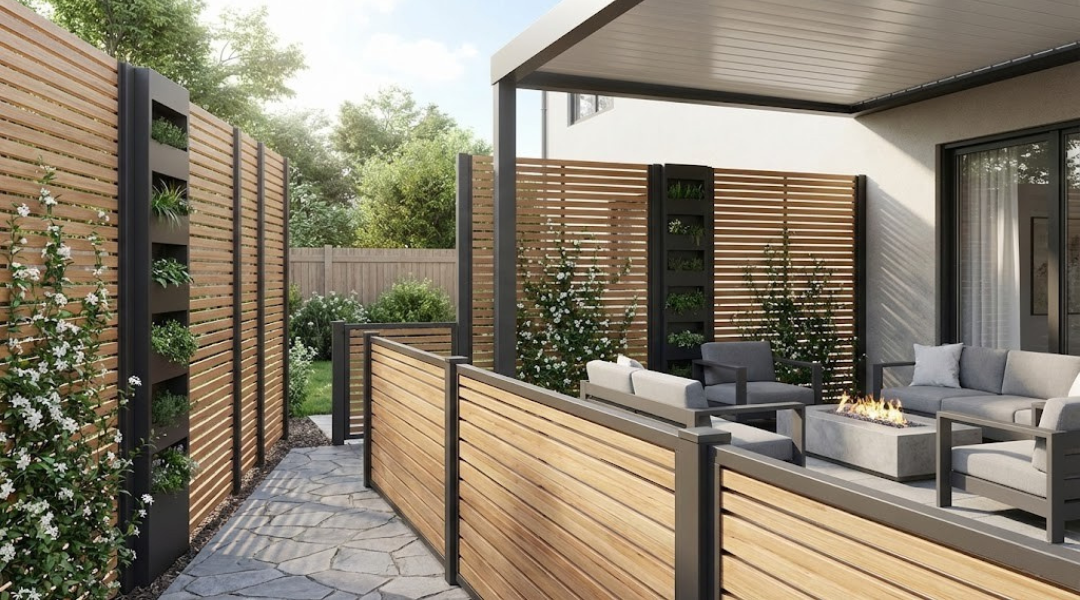
These systems often use taller sections near gathering zones and lower screens along walkways to maintain sight lines. The result is a balanced sense of enclosure and openness.
You can also weave climbing plants or create vertical gardens along the fence to soften hard surfaces and improve privacy naturally. Using vinyl fence panels or coated metal screens reduces upkeep, allowing foliage and textures to stand out. When arranged carefully, these privacy fencing options function both as property boundaries and as part of a cohesive outdoor design that supports daily living.
Patio Cover Design Approaches That Complement Modern Fencing
Choosing the right patio cover helps create a smooth visual connection between your fence and outdoor living areas. Matching design styles, materials, and proportions ensures your covered patio feels intentional and balanced instead of separate or mismatched.
Flat, Low-Profile, And Minimalist Structures
A flat or low-slope roof design aligns well with the clean look of modern fencing. These covers often use straight lines, slim posts, and hidden fasteners to keep surfaces simple. You can combine a metal roof, glass panels, or a tensioned fabric top to achieve a sleek result that echoes the geometry of horizontal fence slats.
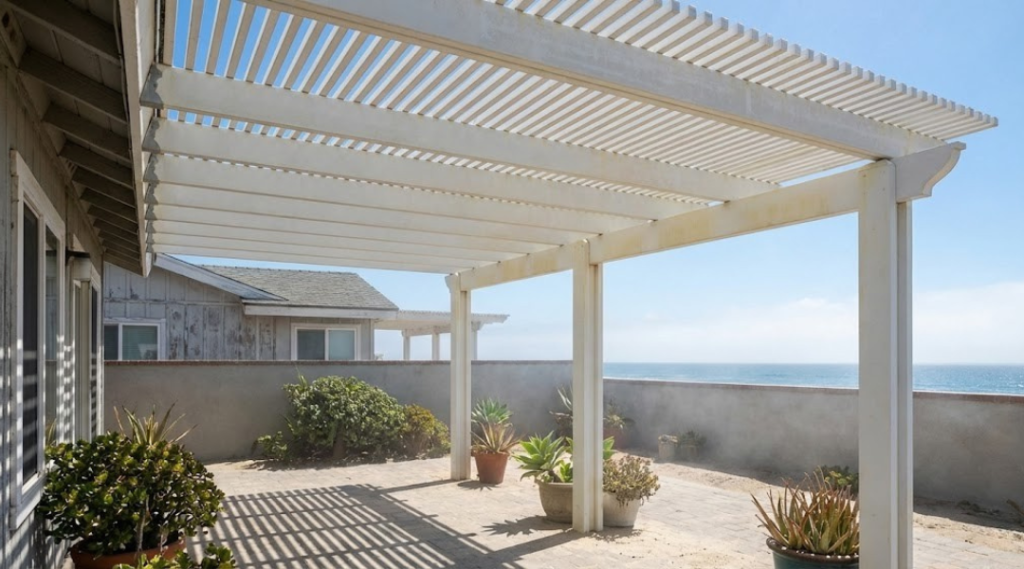
Minimalist structures also let features like an outdoor fireplace, fire pit, or string lights become visual highlights. Use integrated LED lighting or recessed fixtures to maintain a clutter-free overhead plane while providing nighttime visibility. This approach works well when you want your landscape to appear organized but still warm and inviting.
A modern pergola can also adopt this low-profile style using powder-coated steel, aluminum, or timber frames with a rectangular pattern. In small backyards, keeping rooflines close to fence height can make the area feel cohesive without blocking views or daylight.
Material Continuity Between Cover And Fence Systems
Using consistent materials ties together your outdoor elements. If your modern fence has aluminum framing or composite panels, carry those finishes into your patio cover posts or fascia. Choosing the same tone—like matte black or natural wood grain—creates unity between boundaries and structures.
A quick reference for alignment:
| Fence Material | Matching Cover Material | Shared Finish Example |
|---|---|---|
| Metal slats | Aluminum frame | Powder-coated black |
| Wood or composite panels | Timber frame | Clear-sealed cedar |
| Vinyl or PVC | Vinyl roof beams | Smooth white gloss |
Integrated materials also allow consistent outdoor lighting choices. Matching lanterns or recessed fixtures across the fence and patio roof helps the space look designed as one system. For a flexible setup, you can add a retractable awning or a partial glass roof section that mirrors the transparency of modern screens.
Whether you prefer minimalist steel or natural wood, repeating materials and textures across structures keeps your covered patio ideas visually connected to your fencing and overall outdoor design.
Practical Design Questions And Edge Considerations
Practical planning for a modern fence and patio design means thinking about privacy versus openness, working within unique yard shapes, and ensuring compliance with local rules. Your choices in layout, materials, and height play a key role in how well your design fits your space and community.
Balancing Privacy With Openness
You want enough enclosure to feel comfortable without turning your space into a box. Solid fences like composite panels or gabion walls offer strong privacy, but they can block airflow and light. Open slat or louvered fences let in sunlight while reducing direct views from neighbors.
When placing a fence or patio cover, think about view lines from your windows, seating, and main walkway. Adjust fence height where privacy matters most, such as near seating areas or hot tubs. In open areas, use shorter screens or partial panels for balance.
Material choice impacts how privacy looks and feels:
| Material | Privacy Level | Light Flow | Best Use |
|---|---|---|---|
| Wood slats (horizontal) | Medium | High | Patio edges |
| Composite panels | High | Moderate | Between homes |
| Laser-cut metal | Medium | Moderate | Decorative zones |
| Frosted glass | High | High | Small courtyards |
Choose designs that define zones without closing off your space. A small gap or layered layout can maintain connection with the surroundings while giving you the shelter you need.
Adapting Modern Designs To Small Or Irregular Yards
Compact or oddly shaped yards require efficiency and flexible layout planning. You can use modular fencing or angled panels to follow property lines while visually enlarging your space. Vertical design elements—like tall narrow panels or planters—draw the eye upward, creating a sense of scale.
Avoid bulky materials that make boundaries feel cramped. Instead, try lighter options such as thin metal frames, frosted glass, or vertical slats that allow airflow. Place seating or storage along fence lines to maximize functional space.
If your yard has uneven ground, modular systems with adjustable posts simplify installation. Mixing fence heights or materials can also disguise irregular shapes, helping you achieve symmetry without major grading or reconstruction.
Navigating Neighborhood Or HOA Constraints
Before installing a modern fence or patio cover, check local regulations and homeowners’ association (HOA) guidelines. These often define height limits, approved materials, and setback distances. You’ll save time and cost by confirming restrictions early.
If your design includes contemporary materials—like black aluminum frames or frosted glass panels—verify that their appearance aligns with community standards. Some HOAs may favor certain colors or textures that match existing homes.
When submitting plans, include clear sketches or renderings that show how the design complements your property. Request written approval before purchasing materials. If noise or visibility is a concern among neighbors, choosing a lower or partially transparent fence can address feedback while keeping your design modern and compliant.
Final Thoughts On Creating Cohesive Modern Outdoor Spaces
Designing a modern outdoor area that includes fencing and patio covers starts with understanding how each part supports daily use. You create harmony when your layout, materials, and lighting all work toward the same goal—practical comfort that lasts through seasonal changes.
Reassessing Layout Before Committing To Materials
Before choosing materials, take time to review how the space functions. Map out traffic patterns between your home, patio, and garden. Ask how people move through these zones and where seating, shade, or lighting make sense. A clear layout helps prevent wasted space and future redesigns.
Consider using a simple table to organize this planning:
| Area | Primary Function | Key Features | Notes |
|---|---|---|---|
| Patio | Dining and lounging | Overhead cover, lighting | Needs easy access to kitchen |
| Garden edge | Visual boundary | Fencing, planters | Maintain open sight lines |
| Walkways | Connection | Step lights | Match tone with main fence |
Work with realistic scale drawings or digital layout tools. Factor in utility access, future plant growth, and property lines. This step often decides how well your chosen materials perform over time because placement influences exposure, wear, and maintenance.
How To Evaluate Long-Term Flexibility And Use
Future needs should guide your material and design choices. Select components that allow small updates without major reconstruction. For example, modular fencing sections or adjustable patio covers can adapt to new furniture layouts or lighting upgrades.
Review durability, warranty, and maintenance demands before purchasing. Composite panels, metal posts, and powder-coated hardware often provide the best balance between longevity and cost. Avoid short-term trends likely to age quickly in appearance.
Think about practical comfort through the year. Shade screens, removable panels, and integrated lighting extend usability across seasons. By planning for flexibility, you ensure your outdoor space remains functional and aligned with your lifestyle as it evolves.